An infestation of bedbugs or other similar pests can be damaging to your inn’s reputation and represent a liability risk. Bedbugs, spiders, biting ants and other pests can be carried in on guests’ clothes and possessions — virtually no inn is immune — and high-traffic facilities are at an elevated risk of infestation. Although most pests found in overnight accommodations, including bedbugs, are not known to spread disease, they can be a nuisance to guests. It’s important to plan and prepare your staff for an infestation so you’re able to respond quickly.
Identify Infestations
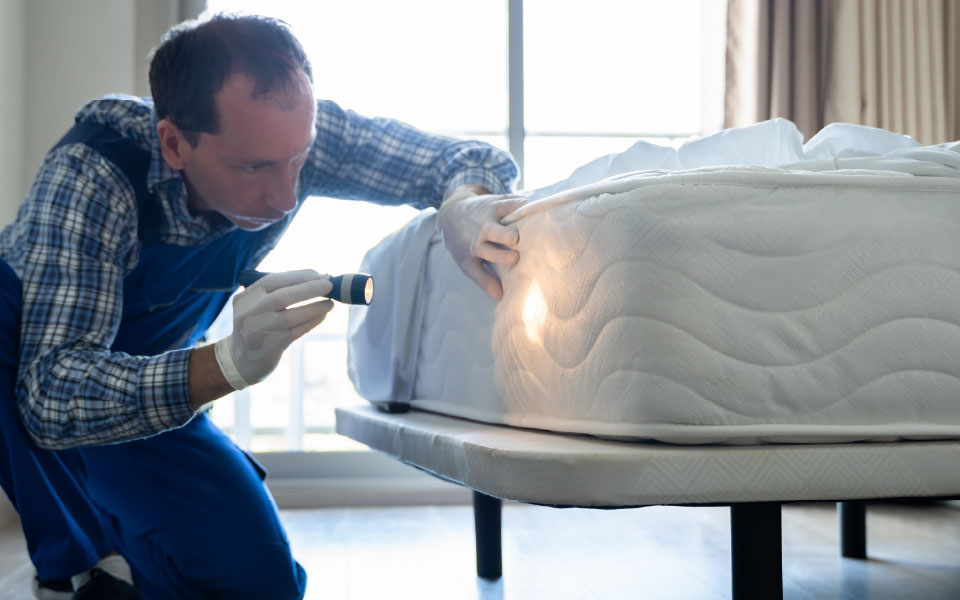
Conduct regular inspections to discover infestations before a guest does. Instruct staff to inspect all rooms upon vacancy, looking for living or dead bugs, small bloodstains from crushed insects and dark spots from droppings. These identifiers can be anywhere, from floorboards to walls to linens.
Responding to Complaints
It’s crucial to have a plan in place to address patron complaints about bedbugs. Your procedure should effectively educate the guest about bedbugs and take action to confine and eliminate the infestation. Use these steps to instruct housekeeping on how to react upon receiving the complaint:
- Offer the guest a new room.
- Provide information about bedbugs to the guest, emphasizing that they are not known to spread disease.
- Launder the guest’s clothes and launder bedding in the hottest water and dry on the hottest setting that is safe for the materials.
- Use a stiff brush to dislodge bedbugs and eggs.
- Use a HEPA vacuum on the mattress, bed frame, furniture, floor and carpet, and discard the vacuum bag in a sealed plastic bag.
- Bag mattresses and box springs for at least one year.
- Never donate an infested mattress.
Conduct a thorough inspection and treatment of the room with a licensed pest control professional. Do not use the room until the professional certifies that it’s free of pests.
Eliminating Infestations
Cleaning, disinfecting and eliminating hiding places are the most effective method of ridding your inn of bedbugs and other pests. Many can live for several months without food and water, so it may be advisable to use a pesticide. To protect your guests’ health, work with your exterminator on the following:
- Choose the least toxic pesticide available that will be effective. Stronger-than-necessary chemicals could harm your guests and staff.
- Follow all manufacturer instructions for pesticide use.
- Advise staff to stay away from treated areas until the recommended time has elapsed.
- Treat furniture and mattresses with pesticide only if necessary and with small amounts on the seams.
For liability purposes, it’s important to document your pest mitigation process and swiftly resolve all identified infestations. However, if a guest does discover an infestation and you fear litigation, weigh the cost of settlement against lost business carefully. An infestation can be extremely detrimental to your reputation.
Make no mistake — bugs are nasty business. Fortunately, you can take preventive measures to limit your risk of an outbreak. One of those measures is making sure you have complete coverage that protects your inn should an infestation unfortunately occur. Connect with a team member at CBIZ Innkeeper Insurance to learn more.
This blog may contain scenarios that are provided as examples only. Coverage is subject to the terms, conditions and exclusions of the policy issued. The information provided is general in nature and may be affected by changes in law or the interpretation of such laws. The reader is advised to contact a professional prior to taking any action based upon this information.