
When severe weather disrupts your inn, the demands of running it don’t stop. As an innkeeper, you’re managing the immediate problem while working to keep the rest of the operation on track. Each decision can affect your guests, your service, and your revenue. Knowing how to respond to weather-related disruptions can help you maintain essential operations, keep guests safe, and limit revenue losses.
Power Outages: Keep Essential Operations Moving
A weather-related power outage can interrupt much more than lighting. Depending on your property’s systems, it may affect heating, water service, food storage, and access to reservations. The immediate question is what your inn can safely provide until electricity returns.
Identify which functions depend on electricity and where you have workable backups. If your inn uses a backup power system, have a qualified provider confirm what it can support. Have the system maintained according to the manufacturer’s requirements. Do not assume it can run the entire property.
Keep essential guest and arrival information securely accessible if your usual systems go offline. Establish an alternate check-in process that protects guest information, and make sure staff know how to use it. Keep utility and service-provider contacts available without relying solely on an internet connection.
Tell guests which services remain available and when you will update them. If conditions no longer support a safe stay, pause arrivals and coordinate alternative accommodations where available.
Staffing Issues: Cover the Work That Cannot Wait
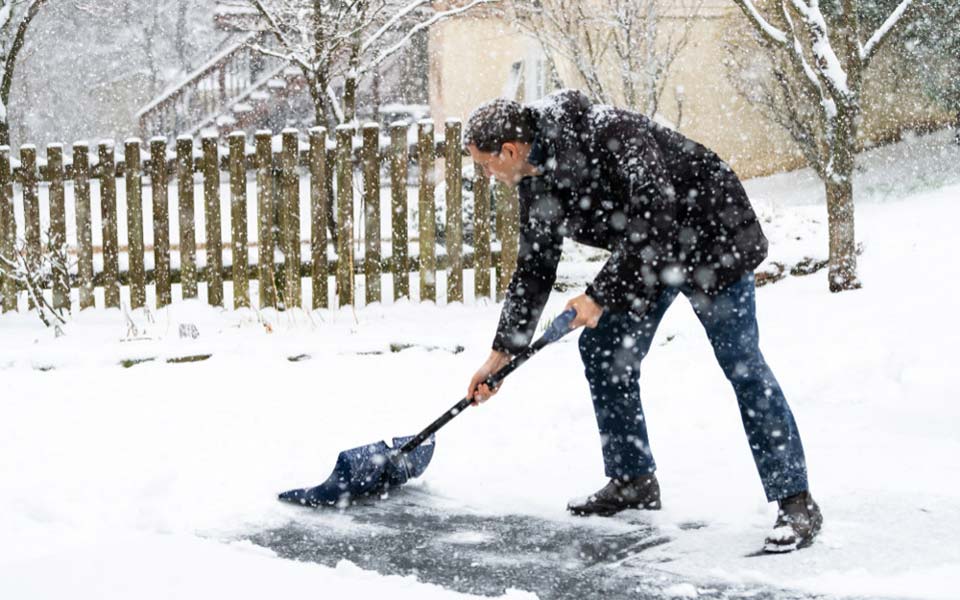
Snow, ice, and road closures can leave scheduled employees unable to reach your inn. A staffing gap can delay room readiness, interrupt meal service, and leave one person juggling guest needs and property responsibilities. Expecting the available team to do everything is not a workable response.
Before weather affects travel, check employees’ availability and potential travel barriers. Clarify how employees should communicate changes. Establish backup coverage without asking anyone to travel in unsafe conditions. Cross-train employees for appropriate duties so essential work does not depend on one person being present.
Prioritize tasks that protect safety and support occupied rooms and expected arrivals. Assign responsibilities clearly, including who handles guest questions and who can approve service adjustments. If available staffing cannot support your usual offering, reduce or pause services rather than leaving guests to discover the gaps themselves.
Explain service changes promptly so guests know what to expect.
Cancellations: Manage Booking Changes and Revenue Gaps
Weather can disrupt bookings even when your inn remains open. Guests may cancel because they cannot travel, while others may need to extend their stays. Those changes affect more than occupancy. They also change room assignments, staffing needs, purchasing decisions, and expected revenue.
Contact upcoming arrivals with accurate information about property conditions and available services. Explain cancellation and rebooking terms clearly, and tell staff who can authorize exceptions. Where your policies allow, offer guests a way to reschedule rather than assuming every canceled stay must become a lost booking.
Update your working occupancy forecast as reservations change. Adjust purchases and staffing where practical, while preserving the coverage needed for guests who remain. Track cancellations, refunds, credits, and added expenses so you can understand the disruption’s financial impact.
Ask your insurance adviser how your policy treats weather-related interruptions and what conditions must apply for coverage. Do not assume it covers cancellations simply because severe weather caused them.
Prepare Your Inn for Weather-Related Disruptions
Connect with CBIZ to discuss your inn’s weather-related operational risks and review how your insurance coverage aligns with the disruptions your business could face.
Frequently Asked Questions
Run a discussion-based exercise using a realistic storm scenario. Ask your team to walk through decisions as new complications arise, such as a delayed repair or an unavailable supplier. Record missing information, unclear responsibilities, and assumptions that do not hold up. Assign follow-up actions, then test revised procedures without interrupting guest service.
A clearer forecast or restored electricity does not, by itself, establish readiness to reopen. Follow local authorities’ directions and obtain any required approvals. Have qualified providers assess affected building systems and confirm that the property can safely support the services you intend to offer. Resume food service only after meeting applicable health requirements.
Review where the response stalled, which workarounds helped, and what guests needed that you could not provide. Compare actual recovery time and costs with your expectations. Use those findings to revise procedures, vendor arrangements, and supply needs. Assign responsibility for each improvement and share the changes with staff before the next weather event.
This blog may contain scenarios that are provided as examples only. Coverage is subject to the terms, conditions and exclusions of the policy issued. The information provided is general in nature and may be affected by changes in law or the interpretation of such laws. The reader is advised to contact a professional prior to taking any action based upon this information.