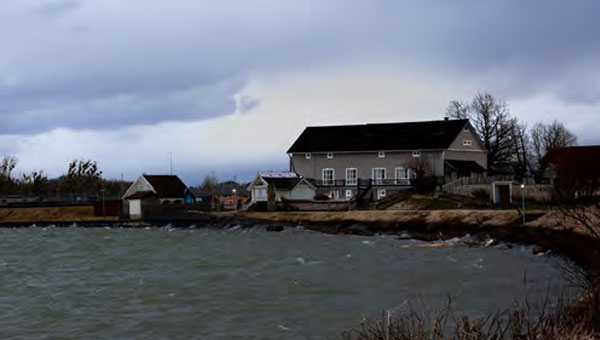
An inn can feel like the perfect escape this time of year. But while guests settle in, conditions outside can shift quickly, turning an ordinary part of their stay into a serious safety concern.
For innkeepers, one overlooked hazard can put guest safety and your business at risk.
When Winter Conditions Create Slip-and-Fall Hazards
Slip-and-fall incidents are one of the most common and costly claims innkeepers can face during the winter months.
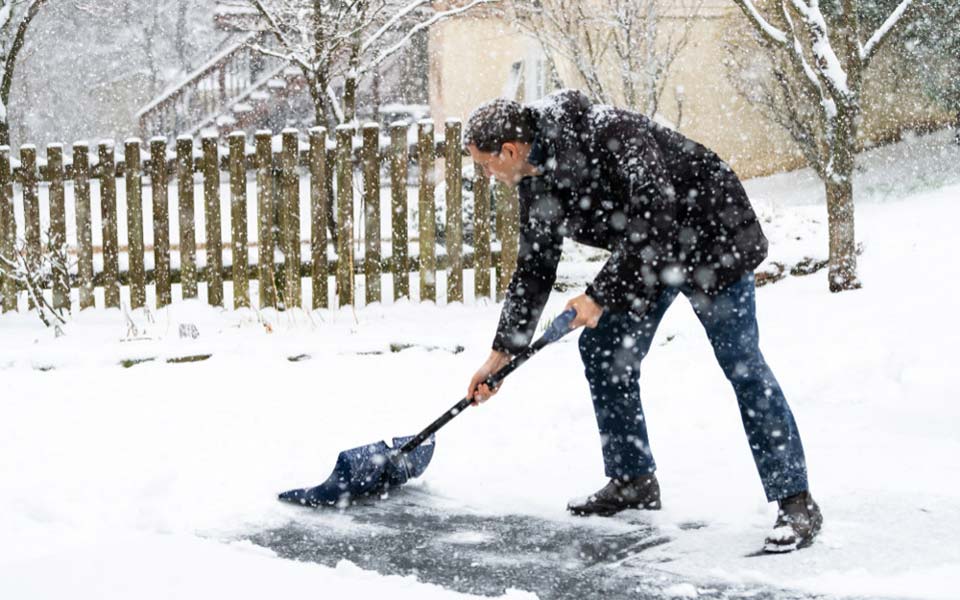
Snow and ice can change how guests move around your inn. Parking areas, sidewalks, stairs, entrances, and other frequently traveled areas can become slip-and-fall hazards as conditions change throughout the day. A guest injury can disrupt operations, create unexpected costs, and potentially lead to a claim.
Make prevention part of your inn’s daily routine with these practical steps:
- Inspect guest areas regularly. Pay close attention to parking areas, sidewalks, stairs, and entrances.
- Address changing conditions. Clear snow, treat icy surfaces, and recheck areas throughout the day.
- Keep entrances Use secure mats and address tracked-in snow and moisture before floors become slippery.
- Check visibility. Make sure guests can clearly see walkways, stairs, and other areas they use after dark.
- Document what you do. Keep a record of inspections and the steps taken to address hazards.
Why Guest Injuries Carry High Liability
A guest injury claim can involve more than medical expenses. Depending on the injury, a guest may seek compensation for rehabilitation, lost income, and other damages. Legal defense costs and a potential settlement or judgment can add to the financial exposure your inn faces.
A fall does not automatically make your inn legally responsible. However, a guest may allege that you failed to identify or address an unsafe condition. Defending against that allegation can require time, records, and legal support, even when you took steps to maintain safe conditions.
That makes understanding your insurance coverage just as important as understanding the hazards around your inn. Review these questions with your insurance advisor:
- What does your general liability policy cover? Discuss how it responds to guest injury claims and which exclusions may apply.
- How does it handle defense costs? Ask whether legal expenses reduce the coverage available for a settlement or judgment.
- Are your liability limits appropriate? Review whether your current limits fit your inn’s exposure and whether umbrella or excess liability coverage warrants consideration.
- What happens after an incident? Confirm reporting requirements and whom to contact so you know how to involve your insurer promptly.
Address Winter Liability Before a Guest Falls
Connect with a CBIZ advisor to review your inn’s winter guest safety practices and liability coverage.
Frequently Asked Questions
Not automatically. A warning sign can alert guests to an unsafe condition, but it does not correct the problem or guarantee protection from a claim. Use warnings alongside corrective action, and direct guests to a safer route when necessary. Whether a warning meets your inn’s legal obligations depends on the circumstances and applicable law.
Hiring a contractor does not automatically transfer all responsibility away from your inn. Define the areas covered, service timing, ice treatment, and who responds between visits. Have your attorney review the agreement’s allocation of responsibility and your insurance advisor review the contractor’s coverage before work begins.
There is no single deadline that applies to every inn. State law and local ordinances may set different requirements, including rules for adjacent public sidewalks. Confirm the requirements where your inn operates, and do not treat a legal deadline as a reason to leave a known guest hazard unaddressed.
This blog may contain scenarios that are provided as examples only. Coverage is subject to the terms, conditions and exclusions of the policy issued. The information provided is general in nature and may be affected by changes in law or the interpretation of such laws. The reader is advised to contact a professional prior to taking any action based upon this information.